- Empty cart.
- Continue Shopping

Water Bath vs Water Distiller: Which Does Your Lab Need?
- Posted on
nexusadmin
- Categories: Bulletin & Updates

 nexusadmin
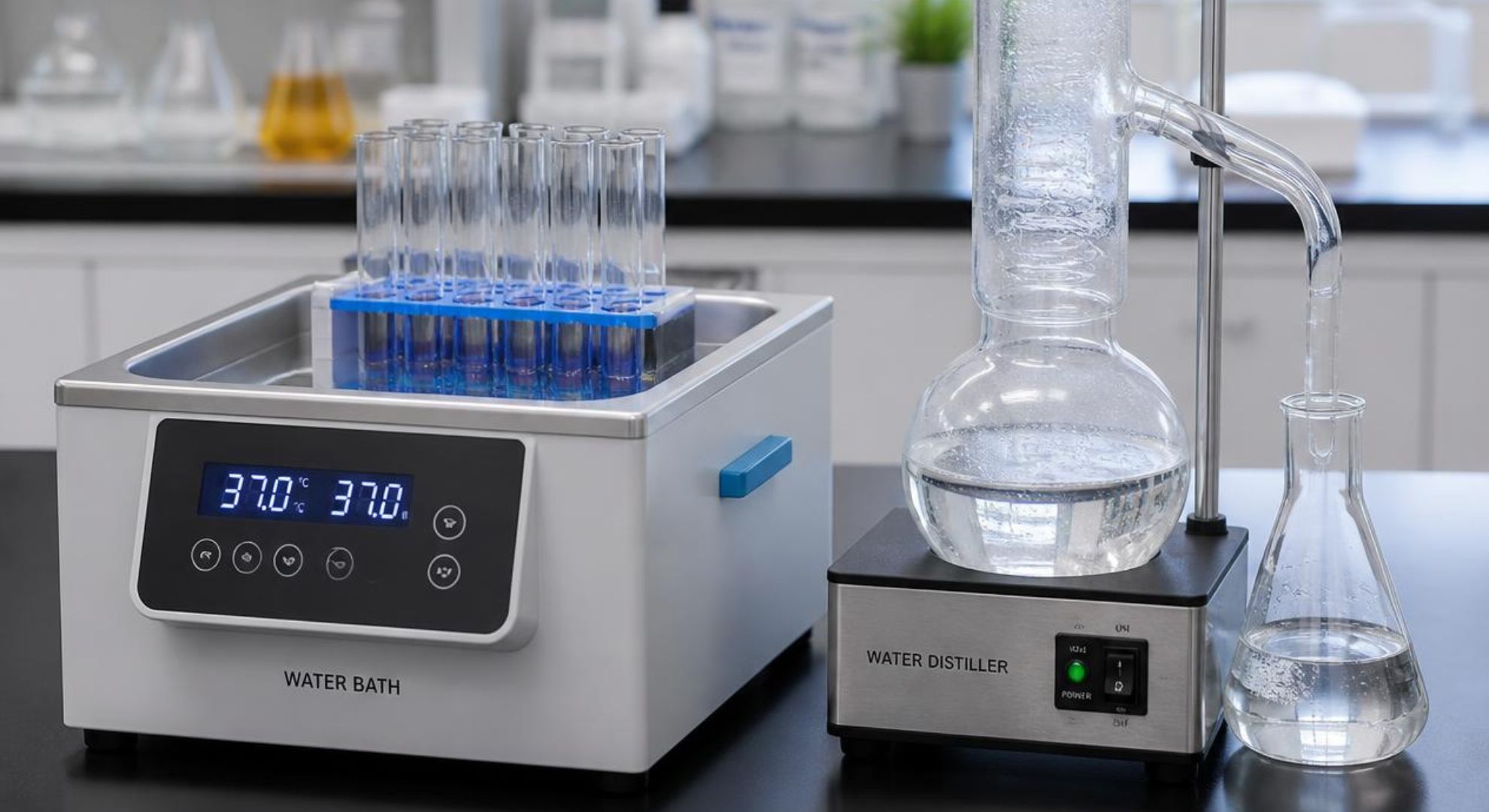
 A water bath and a water distiller serve very different purposes in the laboratory, despite the similar names. This guide explains what each device does, when to use one over the other, and what Labmallx stocks for Malaysian laboratories — including BEING’s digital general-purpose water bath range.
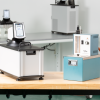
A laboratory water bath is an essential temperature-control instrument used to heat samples gently and maintain them at a constant temperature over long periods. Unlike direct heating sources such as hotplates or Bunsen burners, a water bath distributes heat evenly around sample containers, preventing localized overheating or thermal shock.
Water baths are primarily used for applications requiring gentle, indirect heat, such as incubating cell cultures, warming agar, thawing reagents, and facilitating temperature-sensitive chemical or biological reactions. They are indispensable in clinical, microbiological, and biochemical laboratories where preserving sample integrity is paramount.
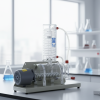
A water distiller is a water purification instrument designed to remove dissolved minerals, heavy metals, organic compounds, bacteria, and other microbial contaminants from tap water. It operates by heating water to its boiling point, converting it into steam, and then condensing the steam back into liquid form inside a cooling coil. The purified condensate is then collected, leaving the heavy impurities and solids behind in the boiling chamber.
Distilled water is the baseline requirement for almost all laboratory processes. It is used for preparing chemical reagents, rinsing sensitive laboratory glassware to prevent mineral staining, feeding autoclaves, and preparing microbiological growth media where water purity directly impacts experimental accuracy.
The primary difference between these two instruments lies in their function: a water bath is a sample heating device, whereas a water distiller is a water purification system.
A water bath utilizes water as a thermal medium to transfer heat to samples contained in test tubes or flasks. In contrast, a water distiller treats the water supply itself, transforming contaminated tap water into purified, laboratory-grade distilled water. Furthermore, water baths operate at controlled, sub-boiling temperatures (typically up to 99.9°C), whereas a water distiller must actively boil water to generate steam for distillation.
Deciding which instrument to purchase depends entirely on your daily laboratory workflows:
Labmallx stocks premium, industry-certified solutions for both heating and purification needs: